
Potato is one of Pakistan’s most important cash crops, cultivated on over 741,316 acres across Punjab, Khyber Pakhtunkhwa, and Balochistan. Both local and imported varieties are grown, each with unique agronomic traits, yield potential, and suitability for fresh consumption, processing, or export.
For a complete guide on Potato in Pakistan — covering agronomy, diseases, and the value chain — visit our detailed article.
Below is a comprehensive look at the major potato varieties grown in Pakistan, including traditional, processing‑oriented, and newly introduced global types.
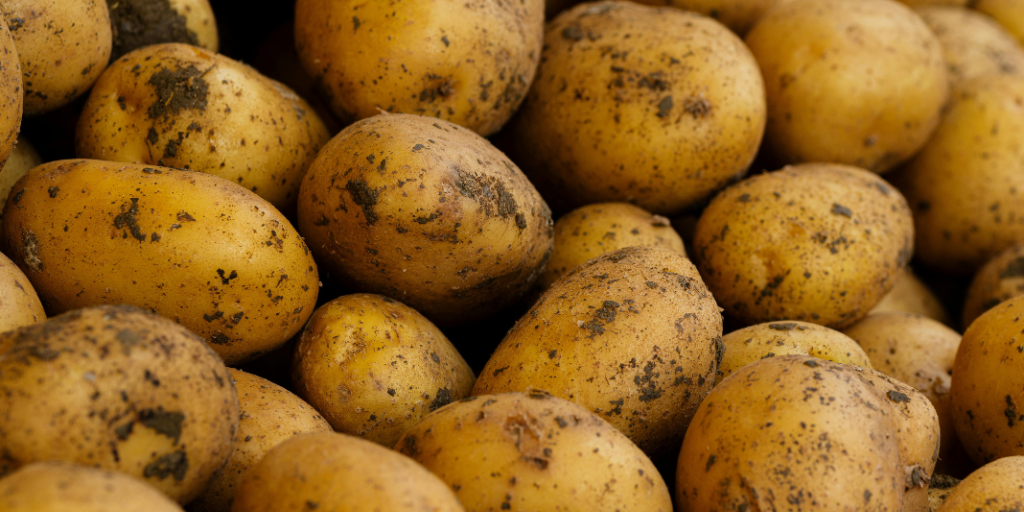
Origin: Netherlands
Maturity: Medium (100–110 days)
Yield Potential: 20–25 tons/acre
Characteristics: Red‑skinned, long oval tubers with yellow flesh. Excellent frying quality, widely used for French fries and frozen fries industry.
Strengths: High dry matter, low sugar, strong scab resistance.
Weaknesses: Susceptible to late blight during rainy season, requires cold storage.
Origin: Netherlands
Maturity: Early to medium (95–100 days)
Yield Potential: 15–20 tons/acre
Characteristics: Round, red‑skinned tubers with high dry matter. Mainly grown for chip industry.
Strengths: Crisp quality, low sugar, uniform size.
Weaknesses: Susceptible to storage diseases, requires controlled storage.
Origin: UK
Maturity: Medium (100–110 days)
Yield Potential: 18–22 tons/acre
Characteristics: Yellow‑skinned, round tubers suitable for crisping.
Strengths: Preferred by snack manufacturers.
Weaknesses: Susceptible to bacterial wilt.
Origin: Netherlands
Maturity: Medium to late (110–120 days)
Yield Potential: 20–23 tons/acre
Characteristics: Yellow oval tubers, good for fries and chips.
Strengths: Heat‑tolerant, suitable for processing.
Weaknesses: Susceptible to late blight.
Origin: UK
Maturity: Medium (100–110 days)
Yield Potential: 17–20 tons/acre
Characteristics: Large oval tubers with white flesh.
Strengths: Good cooking quality.
Weaknesses: Average resistance to disease.
Origin: USA
Maturity: Early to medium (95–105 days)
Yield Potential: 15–18 tons/acre
Characteristics: Round, white‑skinned tubers with high starch. Popular for chips.
Strengths: High solid content.
Weaknesses: Susceptible to blight and storage rot.
Widely grown by small farmers for fresh consumption.
Moderate yield but highly adaptable to local soil and climate.
Origin: UK
Maturity: Medium‑late (110–120 days)
Yield Potential: 20–24 tons/acre
Characteristics: Russet‑skinned, oblong tubers with creamy flesh. Excellent for French fries and baking.
Strengths: High dry matter, very good frying quality, long storage ability.
Weaknesses: Requires well‑drained soil, susceptible to scab under poor management.
Origin: Netherlands
Maturity: Medium (100–110 days)
Yield Potential: 18–22 tons/acre
Characteristics: Yellow‑skinned tubers with smooth texture, dual purpose (table + processing).
Strengths: Attractive appearance, good for export.
Weaknesses: Average blight resistance.
Origin: France
Maturity: Early (90–100 days)
Yield Potential: 15–18 tons/acre
Characteristics: Red‑skinned, round tubers with yellow flesh.
Strengths: Early maturity, high market demand for table consumption.
Weaknesses: Not ideal for long‑term storage.
Origin: Netherlands
Maturity: Medium (100–110 days)
Yield Potential: 18–21 tons/acre
Characteristics: Light yellow skin, oval tubers, dual‑purpose.
Strengths: Good processing and table use.
Weaknesses: Moderate disease resistance.
Origin: Netherlands
Maturity: Medium to late (110–115 days)
Yield Potential: 19–22 tons/acre
Characteristics: Red‑skinned, oval tubers with white flesh.
Strengths: Attractive skin, preferred for local markets.
Weaknesses: Storage‑sensitive.
Origin: Netherlands
Maturity: Medium (105–115 days)
Yield Potential: 22–26 tons/acre
Characteristics: Red‑skinned, round to oval tubers with light yellow flesh. Popular in fresh market and processing industries.
Strengths: Naturally resistant to late blight, firm texture, long shelf life.
Weaknesses: Moderate susceptibility to common scab, requires careful irrigation.
| Variety | Origin | Maturity | Yield | Characteristics | Strengths | Weaknesses |
|---|---|---|---|---|---|---|
| Asterix | Netherlands | 100–110 | 20–25 | Red skin, yellow flesh | Fries quality, scab resistance | Late blight susceptible |
| Diamant | Netherlands | 110–120 | 18–22 | Yellow skin, white flesh | Stable yield, drought tolerant | Moderate disease resistance |
| Lady Rosetta | Netherlands | 95–100 | 15–20 | Red skin, high dry matter | Crisp quality | Storage sensitive |
| Hermes | UK | 100–110 | 18–22 | Yellow round tubers | Crisping use | Bacterial wilt |
| Santana | Netherlands | 110–120 | 20–23 | Yellow oval tubers | Heat tolerant | Blight susceptible |
| Courage | UK | 100–110 | 17–20 | Large oval tubers | Good cooking | Average disease resistance |
| Atlantic | USA | 95–105 | 15–18 | White skin, high starch | Chips industry | Blight/storage rot |
| Alverstone Russet | UK | 110–120 | 20–24 | Russet skin, creamy flesh | Fries/baking quality | Scab under poor soil |
| Mozika | Netherlands | 100–110 | 18–22 | Smooth yellow skin | Export demand | Moderate blight resistance |
| Red Bullet | France | 90–100 | 15–18 | Red skin, yellow flesh | Early maturity | Weak storage |
| Adison | Netherlands | 100–110 | 18–21 | Light yellow skin | Dual‑purpose | Moderate disease resistance |
| Esme | Netherlands | 110–115 | 19–22 | Red skin, white flesh | Attractive for markets | Storage sensitive |
| Alouette | Netherlands | 105–115 | 22–26 | Red skin, round to oval | Strong frying quality | Viral susceptibility |
Pakistan has a diverse range of potato varieties, each with unique traits catering to different markets — table consumption, chip industry, or frozen fries. Farmers must select varieties based on local conditions, storage facilities, and intended use to maximize yield and profitability.
Khadija Traders is solely trade business established in 2020 ,We trade in potato’s Maze and Rice ,We Buy Sell and Store for customers
+92 323 4545123
info@khadijatraders.com
Chak No 91-6/R, Adda Mai wali Masjid, Sahiwal, 57000, Pakistan