
Rice is not just a food crop in Pakistan for millions—it is a significant part of the economic culture and a symbol of strength, hospitality, and tradition. Pakistan’s rice is deeply rooted in both trade and heritage. As a major contributor to the economy, rice plays a vital role in agricultural exports. With ideal growing conditions, supportive government policies, and a focus on quality, Pakistan has become one of the leading rice exporters in the world.
Choosing the right variety helps meet international standards and ensures business growth. In this section, we explore rice varieties, their qualities, and why they matter in global trade.
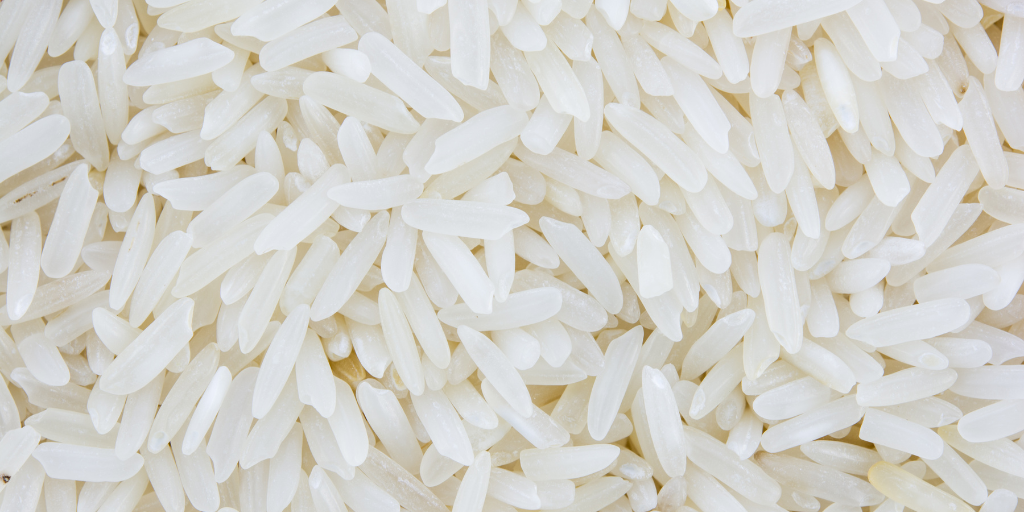
Different regions have different rice preferences. Some markets demand long‑grain fragrant rice, while others prefer parboiled or sticky varieties. Understanding which type suits each export destination helps exporters build strong relationships and increase sales.
The choice of rice variety directly impacts economic success, buyer preference, and market reputation. Export‑quality grains meet international standards for grain length, flavor, and aroma, strengthening Pakistan’s national image in global trade.
Middle Eastern and South Asian markets – Prefer long‑grain basmati rice, ideal for biryani and pulao.
East Asian countries – Favor sticky short‑grain rice, essential for sushi, rice balls, and traditional meals.
African nations – Often import parboiled rice for durability and nutritional benefits.
European and North American consumers – Increasing demand for organic and brown rice.
Lorem ipsum dolor sit amet consectetur adipiscing elit malesuada duis, non ultrices pharetra sociosqu massa odio sed fermentum placerat cras, dictumst fames posuere iaculis magnis sapien auctor pulvinar. Netus hac at dictum mauris pretium lectus ultricies, rhoncus luctus quisque mattis et gravida, aptent varius ridiculus ut cursus quam.
Popular basmati varieties include 1121 Basmati, Super Kernel Basmati, Basmati 385, 1509 Basmati, and traditional basmati. These are exported to Europe, South Asia, and the Middle East.
Key Qualities:
Long slender grains
Distinct aroma
Delicate flavor
Non‑sticky texture
High elongation ratio
Soft fluffy cooked rice
Low to medium glycemic index
Strong cultural and culinary value
Middle Eastern and South Asian markets – Prefer long‑grain basmati rice, ideal for biryani and pulao.
East Asian countries – Favor sticky short‑grain rice, essential for sushi, rice balls, and traditional meals.
African nations – Often import parboiled rice for durability and nutritional benefits.
European and North American consumers – Increasing demand for organic and brown rice.
Known for extra‑long grains, superior aroma, and excellent cooking quality. Originating from Punjab, it is available in forms like Sella (parboiled) and steam rice.
Why It’s Popular:
Extraordinary length
Excellent elongation
Fluffy non‑sticky texture
Rich aroma and flavor
Versatile culinary use
Premium export quality
High nutritional value (especially parboiled)
These non‑basmati varieties are valued for affordability, versatility, and good cooking quality. IRRI‑6 is a long‑grain, high‑yielding variety grown in Sindh, while IRRI‑9 matures early, yields high, and tolerates saline soils.
Best Uses:
Affordable bulk supply
High yield
Versatile cooking
Industrial uses
Strong global demand
Importance of IRRI‑9:
Early maturity
Salinity tolerance
Culinary quality
Nutritional value
Widely used in Africa, Bangladesh, and Gulf region
High starch content makes short‑grain rice creamy and sticky when cooked. Ideal for sushi, risotto, rice pudding, and paella.
Popular Varieties:
Bomba rice
Glutinous rice
Sushi rice
Arborio
Produced through soaking, steaming, and drying, parboiled rice transfers nutrients from hull to kernel, making it durable and resistant to breakage.
Nutritional Benefits:
Enhanced nutrient content
Better blood sugar control
Improved gut health
Rich in fiber and antioxidants
Industry Benefits:
Higher milling yield
Resistance to insects and fungi
Altered texture and cooking properties
Considerations:
Arsenic content
Energy‑intensive processing
Brown rice is linked to reduced risks of heart disease, cancer, and type 2 diabetes. It is rich in fiber, nutrients, and antioxidants, making it popular in health‑conscious markets.
Why It’s Growing in Popularity:
High fiber content
Packed with vitamins and minerals
Strong antioxidant profile
Supports blood sugar control
Promotes heart health
Aids weight management
Enhanced flavor and texture
Increasing demand in Europe and North America
Strict quality control and standards
Market demand analysis
Efficient logistics and packaging
Competitive pricing strategy
Khadija Traders is solely trade business established in 2020 ,We trade in potato’s Maze and Rice ,We Buy Sell and Store for customers
+92 323 4545123
info@khadijatraders.com
Chak No 91-6/R, Adda Mai wali Masjid, Sahiwal, 57000, Pakistan